
Corrosion resistance matters when a part will be exposed to moisture, cleaning chemicals, outdoor weather, salt spray, or aggressive operating environments. Selecting the right metal early helps protect function, appearance, and service life.
How Corrosion Starts
Corrosion is a material reaction with its environment. Water, oxygen, salts, acids, and dissimilar-metal contact can all accelerate surface breakdown. Geometry also matters because pockets, seams, and unvented cavities can trap moisture.
Common Corrosion-Resistant Metals
- Stainless steel provides strong general corrosion resistance and is widely used for medical, food, marine, and industrial components.
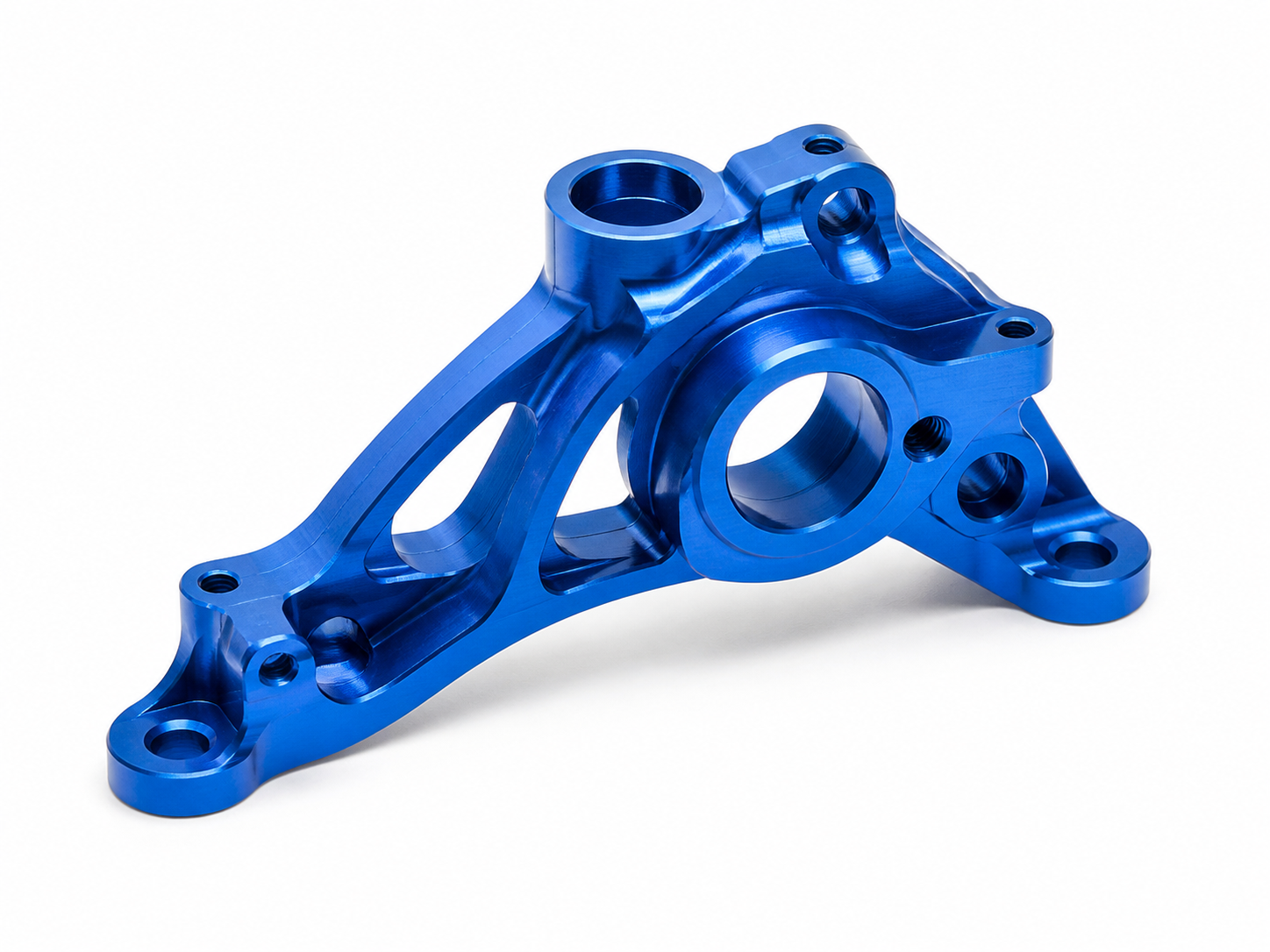
- Aluminum offers low weight and good natural corrosion resistance, especially when anodized or chemically treated.
- Titanium performs well in demanding chemical, marine, and aerospace environments where strength-to-weight ratio also matters.
- Brass and copper alloys can work well for fittings, electrical parts, and decorative applications when the environment is understood.
Compare Performance Requirements
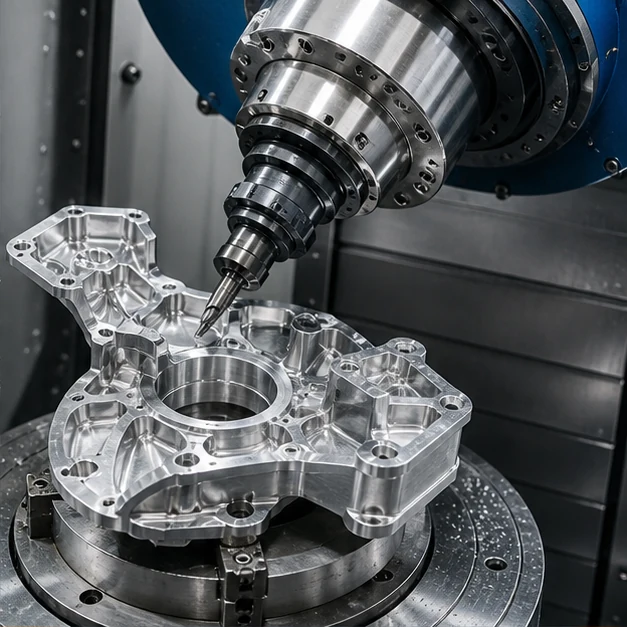
Start with the environment, mechanical load, cosmetic requirement, conductivity, weight target, and finishing plan. The best material choice is usually the one that balances corrosion resistance with manufacturability and cost.
Quick Comparison
| Material | Typical Strength | Corrosion Resistance | Common Use |
|---|---|---|---|
| Stainless Steel | High | High | Medical, industrial, food-grade, marine parts |
| Aluminum | Medium | Good with finish | Lightweight housings, brackets, and frames |
| Titanium | High | Excellent | Aerospace, medical, and chemical applications |
| Brass / Copper Alloy | Medium | Application dependent | Fittings, electrical parts, and decorative components |
Finishes That Improve Protection
Finishing can extend material performance. Anodizing, passivation, plating, powder coating, and conversion coatings can improve surface durability when the base material and operating environment are compatible.
Design Guidance
Avoid moisture traps, specify drainage where needed, separate dissimilar metals when galvanic corrosion is a concern, and document the expected environment before production begins.
Selection Checklist
- Identify whether exposure is indoor, outdoor, marine, chemical, or high-temperature.
- Confirm strength, weight, and tolerance needs before selecting the alloy.
- Choose a compatible finish if additional surface protection is required.
- Review manufacturability with the chosen service before locking the design.